
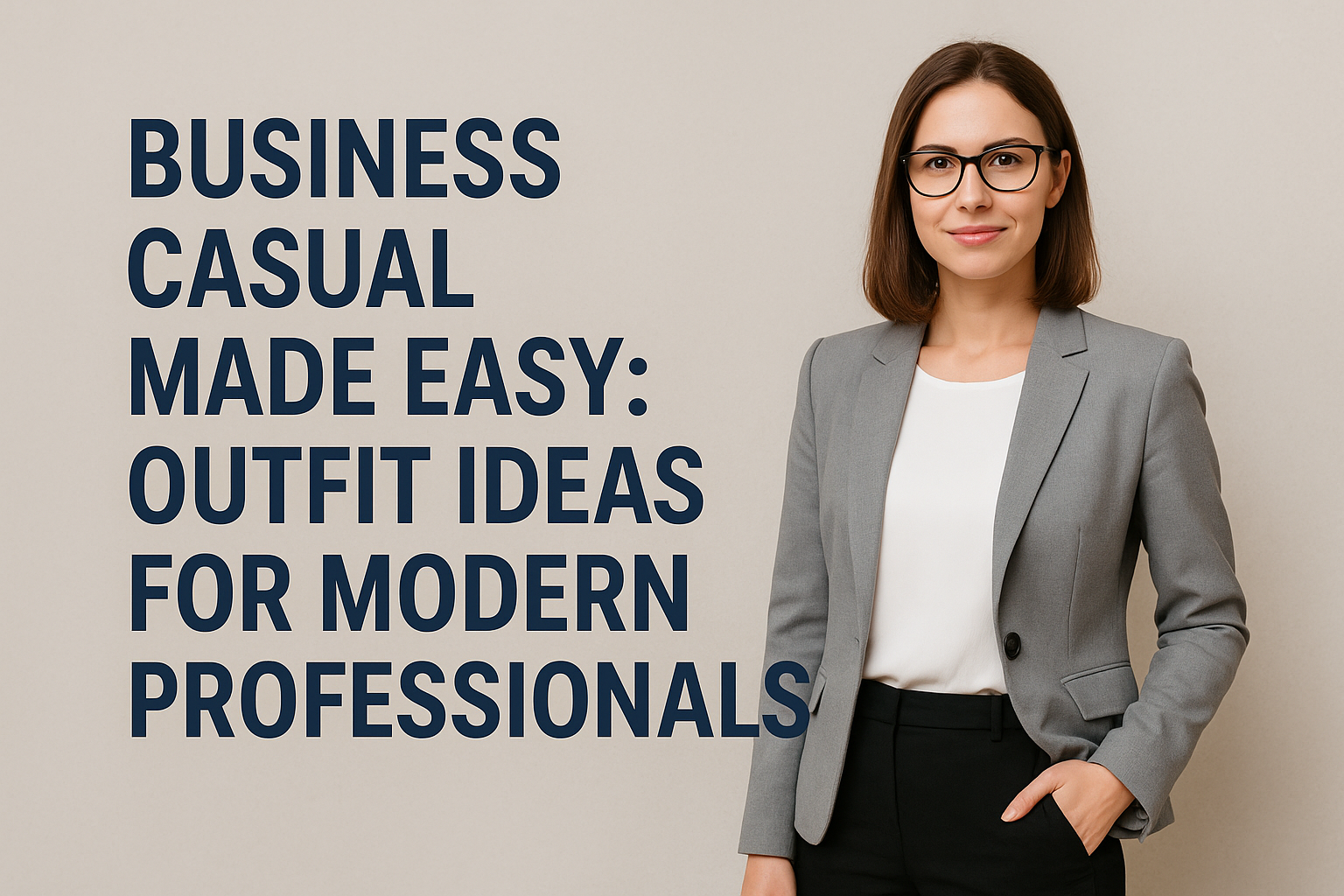
Introduction: Why Business Casual Matters Today
Modern workplaces are no longer as rigid as they once were. The traditional suit-and-tie uniform or pencil skirt-and-blazer expectation has shifted into a more adaptable dress code: business casual. For professionals navigating industries that value both appearance and comfort, mastering this balance is critical. Business casual outfits are not just about clothes; they are about creating a personal brand that communicates competence, confidence, and modern style. This shift makes business casual a cornerstone of professional identity, and learning how to style it effectively is more important than ever.
Business casual is often misunderstood, with many assuming it means “wear whatever looks neat.” In reality, it is a refined mix of professionalism and approachability. It signals that you respect the workplace while also embracing individuality and comfort. Whether you are attending client meetings, networking events, or a casual Friday, mastering business casual can set you apart and help you feel confident in any setting.
⸻
The Evolution of Business Casual
The term “business casual” has an interesting history. It rose to prominence in the 1990s when Silicon Valley companies began rejecting stiff corporate attire and encouraging employees to wear khakis, collared shirts, and loafers instead of full suits. Over time, industries outside tech adopted the look, and business casual became a global trend. Today, it has expanded to include chic dresses, tailored separates, and smart accessories, blurring the lines between formalwear and casual fashion.
What makes business casual appealing is its adaptability. It can lean formal with blazers and polished shoes or tilt casual with cardigans and loafers. The key is balance—never looking too relaxed but avoiding the stiffness of formalwear. This evolution reflects a broader change in work culture: valuing output, creativity, and comfort as much as appearances.
⸻
Essential Wardrobe Pieces for Men
For men, mastering business casual starts with building a versatile wardrobe of essentials:
1.Shirts: Button-down shirts are the backbone of business casual. Crisp whites, light blues, and subtle patterns offer timeless style. Oxford shirts and chambray options add variety without breaking dress code rules.
2.Trousers and Chinos: Slim-fit chinos in navy, grey, and beige are versatile choices. Pair them with button-downs for meetings or polos for casual days. Well-tailored wool trousers elevate the look instantly.
3.Blazers and Jackets: A navy or grey blazer is a must-have. It sharpens any outfit and allows seamless transitions between casual and professional events.
4.Sweaters and Layering Pieces: Lightweight sweaters, quarter-zips, and cardigans add warmth and sophistication. Worn over a collared shirt, they strike the perfect balance.
5.Shoes: Leather loafers, brogues, and clean sneakers (when appropriate) are staples. Shoe polish and condition matter as much as style.
By mixing and matching these basics, men can create outfits for every scenario—from Monday board meetings to Friday brainstorming sessions.
⸻
Essential Wardrobe Pieces for Women
Women’s business casual wardrobes are more flexible but require equal thoughtfulness:
1.Blouses and Tops: Solid blouses, silk shirts, and structured tops are ideal. Neutral tones work well, while jewel tones and prints allow expression.
2.Bottoms: Tailored trousers, pencil skirts, and culottes define the silhouette. Black, grey, and navy remain classics, but seasonal colors can be incorporated thoughtfully.
3.Dresses: Knee-length sheath dresses, wrap dresses, and A-line cuts strike a balance between style and professionalism. Pairing them with blazers refines the look.
4.Blazers and Cardigans: A tailored blazer instantly upgrades any outfit. For softer settings, cardigans provide polish without stiffness.
5.Shoes: Block heels, ballet flats, loafers, and sleek boots all fit within business casual. Avoid overly casual sandals unless your workplace allows them.
Women’s business casual is about versatility. By choosing pieces that mix elegance with comfort, professionals can express their individuality while maintaining authority.
⸻
Mix-and-Match Basics: Building Versatile Outfits
The magic of business casual lies in its adaptability. With a small collection of essentials, countless outfits can be created. For men, pairing a light blue shirt with navy chinos and brown loafers is a timeless look. Swapping the loafers for sneakers immediately relaxes the tone without sacrificing style. Adding a blazer turns it back into boardroom-ready attire.
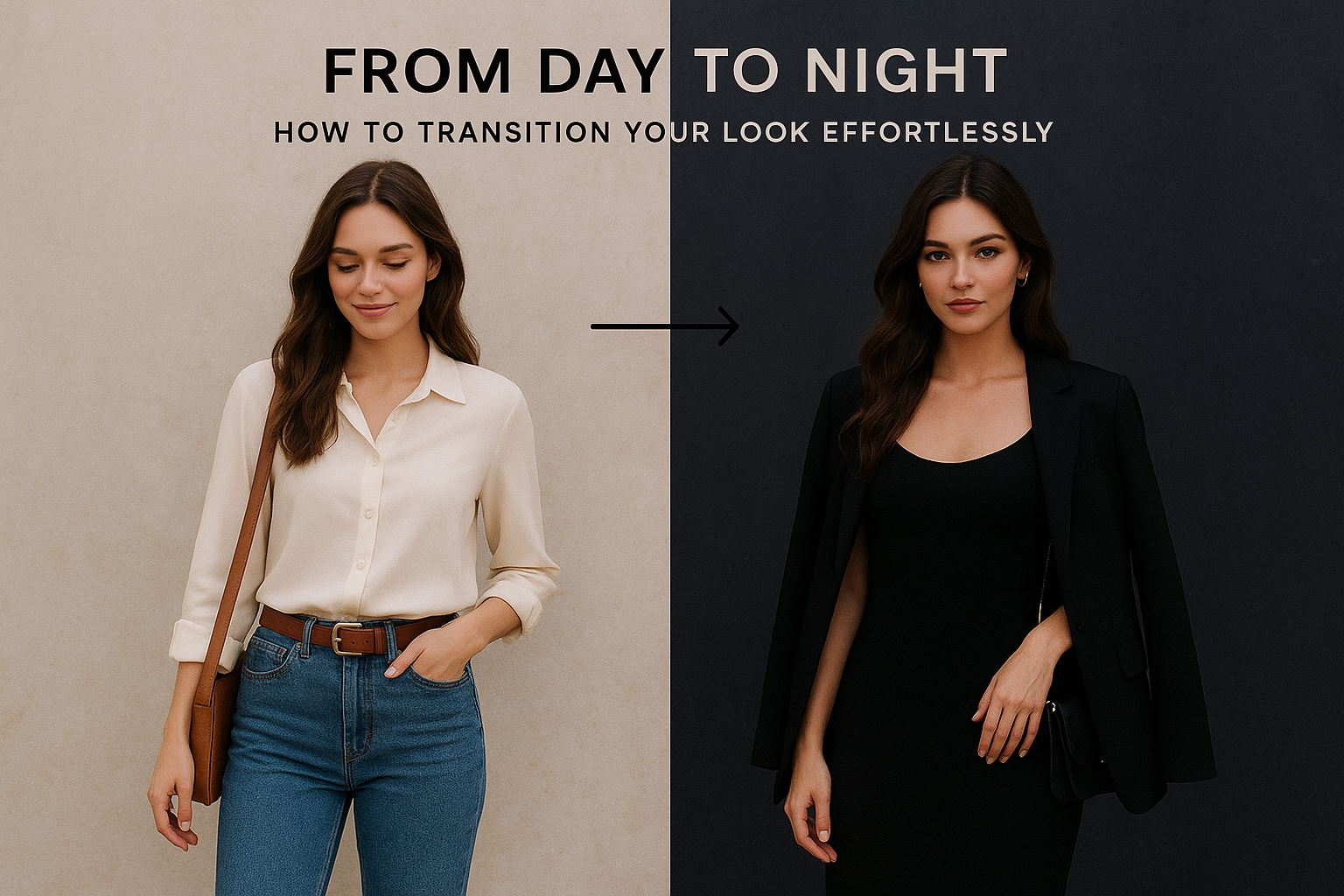
Women can achieve the same effect by rotating blouses with trousers or skirts, layering blazers, or alternating between flats and heels. A simple sheath dress can look entirely new when paired with different accessories or layering pieces.
A capsule wardrobe approach works well here: invest in quality basics, stick to a neutral color palette with a few pops of color, and mix-and-match strategically. This method saves time, money, and mental energy when dressing for work.
⸻
Seasonal Business Casual Outfit Ideas
Business casual is not one-size-fits-all across the year. Seasonal adjustments help maintain comfort while staying professional.
Spring: Lightweight fabrics and pastel shades dominate. Men can wear linen shirts with chinos, while women can incorporate floral blouses or dresses paired with light blazers.
Summer: Breathability is key. Short-sleeved shirts, polo shirts, and cotton trousers work for men. Women may opt for sleeveless blouses, midi skirts, or dresses made from breathable fabrics like cotton or linen.
Autumn: Neutral tones and layering come into play. Men can use sweaters over shirts with chinos, while women can pair blouses with trousers and layer with cardigans or trench coats.
Winter: Structured coats, boots, and heavier fabrics dominate. Men may choose wool trousers with turtlenecks under blazers, while women can wear knit dresses, tights, and long coats.
By adapting business casual to seasons, professionals stay comfortable while maintaining a polished appearance year-round.
⸻
Modern Accessories That Elevate Business Casual
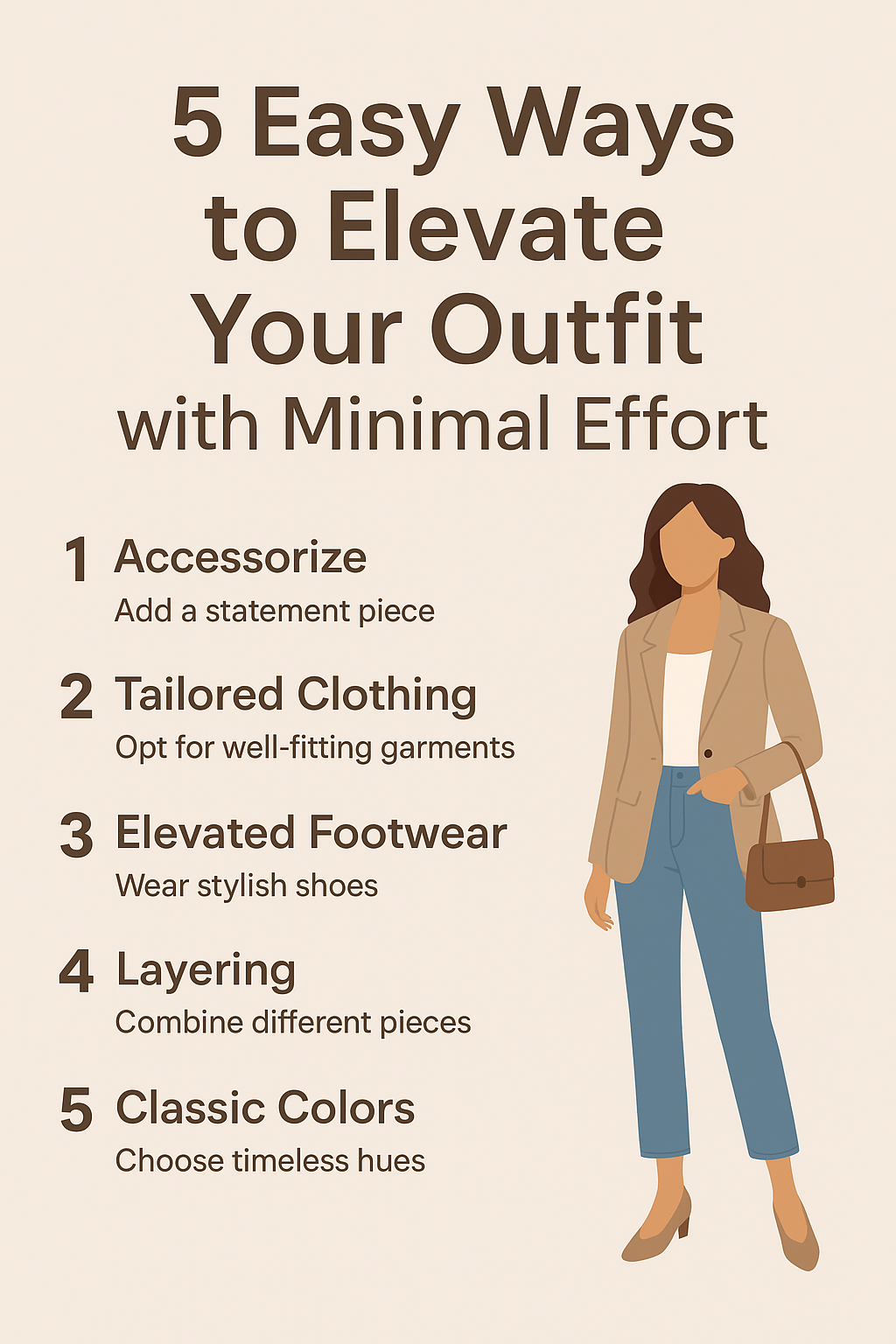
Accessories are where business casual allows personal flair. For men, watches, belts, and subtle cufflinks enhance the outfit. Leather bags or minimalist backpacks combine utility with polish. For women, jewelry, scarves, and structured handbags elevate even the simplest ensemble.
The rule of thumb is moderation. Over-accessorizing can look distracting, but the right addition can transform an outfit. A sleek belt, a minimalist necklace, or a smart leather bag communicates attention to detail and refinement.
⸻
Footwear That Balances Comfort and Professionalism
Shoes make or break business casual. They must strike a balance between style and comfort because professionals often spend long hours on their feet.
For men, polished leather loafers, Chelsea boots, or minimalist sneakers (where appropriate) work best. Avoid overly casual running shoes unless explicitly allowed.
For women, block heels, pointed flats, loafers, and ankle boots are staples. The key is maintaining a polished finish while ensuring comfort for daily wear. Neutral colors like black, tan, or navy ensure versatility.
Well-maintained shoes are as important as style. Scuffed or worn-out footwear undermines the professional look. Investing in quality footwear pays dividends in both style and durability.
⸻
Common Mistakes to Avoid
Even with the best intentions, many professionals make mistakes when dressing business casual:
1.Being Too Casual: Jeans with graphic T-shirts or sneakers that resemble gym shoes cross into casual territory.
2.Overdressing: Wearing a full suit to a casual office can feel out of place unless required.
3.Ignoring Fit: Ill-fitting clothing looks sloppy, regardless of cost or brand. Tailoring is crucial.
4.Neglecting Grooming: Even the best outfit suffers if shoes are unpolished or shirts are wrinkled.
5.Over-Accessorizing: Too much jewelry, oversized bags, or flashy belts can distract from professionalism.
The key is balance. Business casual works best when it looks intentional, polished, and aligned with workplace culture.
Conclusion: Mastering Business Casual with Confidence
Business casual is not about restricting personal style; it is about blending professionalism with individuality. By understanding its history, investing in essential wardrobe pieces, and learning to adapt outfits seasonally, professionals can master this dress code effortlessly. Accessories and footwear enhance the look, while avoiding common mistakes ensures lasting impact.
Ultimately, business casual is more than clothing—it is a tool for self-expression, confidence, and success in modern workplaces. When professionals dress with intention, they project capability and create opportunities. Business casual, when done right, communicates that you belong, that you respect your work, and that you are prepared for whatever comes your way.


Leave A Comment