
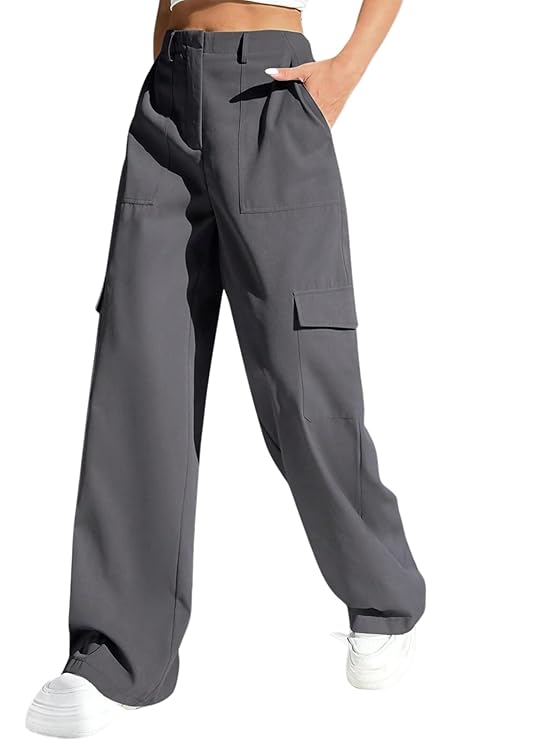
GRECIILOOKS Women High Rise High Waist Trousers Flared korean style clothes
Original price was: ₹1,999.00.₹699.00Current price is: ₹699.00.
 Elevate Your Wardrobe Wide-Leg Black and Grey Women’s Trousers
Description
Fashion has always been a reflection of culture, identity, and innovation. Over the past two decades, the world has witnessed a remarkable shift in trends influenced by South Korea. What started as a regional movement soon transformed into a global wave, reshaping the way people dress, shop, and perceive style. At the heart of this transformation lies the growing admiration for korean style clothes, which embody a perfect balance of tradition and modernity, minimalism and playfulness, elegance and casual comfort.
With the worldwide success of K-pop, K-dramas, and Korean influencers, millions have been introduced to outfits that are not only visually appealing but also deeply rooted in creativity and cultural uniqueness. These clothes have become symbols of youth, confidence, and individuality. To truly understand the appeal, one must look at their history, design philosophy, fabric choices, and cultural symbolism that makes them stand apart in the global fashion industry.korean style clothes
Origins of Korean Fashion Influence
Before the explosion of Hallyu (the Korean Wave), fashion from South Korea was relatively niche. Traditional hanboks were primarily worn during ceremonies, while everyday wear often followed Western patterns. However, the post-1990s era saw designers experimenting with hybrid styles that incorporated both heritage and contemporary elements. This experimentation laid the groundwork for korean style clothes to evolve into a cultural phenomenon.
By the early 2000s, K-pop idols began showcasing bold, vibrant outfits on stage, while Korean dramas highlighted chic, everyday fashion that felt relatable and aspirational. Audiences from across Asia, Europe, and America quickly picked up on these looks, leading to an unprecedented global demand for Korean-inspired apparel.
Characteristics That Define the Aesthetic
The charm of korean style clothes lies in their distinctive features that set them apart from other fashion categories:
-
Minimalist Foundations – A strong emphasis on clean cuts, soft tones, and understated silhouettes. Simplicity is celebrated, but never at the cost of creativity.
-
Playful Details – Oversized sleeves, asymmetrical hems, layering techniques, and unexpected textures are common, adding depth without overwhelming the look.korean style clothes
-
Neutral and Pastel Palette – Colors like beige, ivory, soft pink, mint, and muted blues dominate, evoking calmness and sophistication.korean style clothes
-
Streetwear Influence – Loose fits, cargo trousers, oversized hoodies, and sneakers represent the youthful and urban spirit.korean style clothes
-
Effortless Elegance – Even casual outfits appear polished and intentional, reflecting a lifestyle where appearance and self-expression are intertwined.korean style clothes
This blend of subtlety and boldness makes the fashion flexible and appealing to a global audience.
Everyday Fashion: Comfort Meets Chic
One of the reasons korean style clothes resonate so strongly with international audiences is their practicality. Everyday outfits are designed to be comfortable, functional, and stylish all at once. Unlike some high-fashion pieces that are only suitable for runways or exclusive events, Korean-inspired clothing works seamlessly in real life.
Oversized shirts paired with wide-leg trousers create an effortlessly relaxed look. Layered cardigans and knitwear add warmth and style for colder seasons. Sneakers, bucket hats, and crossbody bags often complete the ensemble, bringing together both utility and aesthetic charm.
For women, pleated skirts, cropped blazers, and soft sweaters dominate casual wardrobes. For men, oversized jackets, straight-fit jeans, and monotone shirts serve as versatile staples. The focus is always on balance—nothing feels overdone, yet everything feels intentional.
Influence of K-Pop and Media
The global appeal of korean style clothes cannot be separated from the success of K-pop groups like BTS, BLACKPINK, EXO, and TWICE. These artists don’t just perform music—they set fashion standards for millions of fans. Each comeback introduces new outfit themes, from edgy leather ensembles to pastel-colored school-inspired uniforms.
Similarly, Korean dramas play a huge role in spreading fashion culture. When viewers see characters wearing trendy trench coats, flowy blouses, or structured blazers, they often want to replicate those looks. This synergy between media and fashion has turned everyday apparel into aspirational style icons.
Social media platforms further amplify this influence. Instagram, TikTok, and YouTube are flooded with tutorials on how to recreate outfits seen on idols and actors. Fashion hauls, styling tips, and K-inspired shopping guides have made the style accessible to people worldwide.
Seasonal Flexibility
Another strength of korean style clothes is their adaptability across different seasons.
-
Spring: Light cardigans, flowy skirts, and pastel tones dominate. The emphasis is on freshness and soft femininity.korean style clothes
-
Summer: Loose cotton shirts, oversized t-shirts, shorts, and airy dresses keep things cool without compromising elegance.korean style clothes
-
Autumn: Trench coats, oversized blazers, knit sweaters, and boots take over, reflecting the cozy yet stylish seasonal vibe.korean style clothes
-
Winter: Layering reaches its peak with puffer jackets, wool coats, scarves, and oversized hoodies keeping wearers warm while looking polished.korean style clothes
This year-round versatility ensures the fashion never feels limited, making it adaptable for people across different climates worldwide.
Fabrics and Craftsmanship
The choice of materials plays a crucial role in defining korean style clothes. Designers prioritize comfort and breathability while maintaining structure. Common fabrics include cotton, linen, wool, denim, and blends with modern synthetics for durability. Knits, especially chunky sweaters and cardigans, remain staples during colder months.
The craftsmanship emphasizes neat tailoring, with a focus on details like pleats, drapes, and button placements. Even in casual wear, quality stitching and thoughtful designs elevate the final look. The result is clothing that feels refined without being extravagant.
Gender-Neutral Appeal
A fascinating aspect of korean style clothes is their embrace of gender fluidity. Many designs are unisex, favoring oversized fits and neutral colors. This approach breaks traditional boundaries of menswear and womenswear, allowing people to dress based on personal expression rather than rigid categories.
Men wearing pastel sweaters or women opting for baggy trousers are not seen as unconventional—they’re simply part of the mainstream Korean aesthetic. This inclusivity is one of the reasons why the style resonates with a younger, progressive generation worldwide.
Accessories and Layering
No discussion of korean style clothes would be complete without mentioning accessories. Layering is an art form in this fashion culture. A plain t-shirt may be styled with a lightweight jacket, a scarf, and a crossbody bag to create dimension. Similarly, delicate jewelry—minimalist necklaces, small hoop earrings, or dainty rings—adds elegance without overpowering the outfit.
Hats, especially berets and bucket hats, are iconic in Korean fashion. They add character to even the simplest looks. Sneakers, often chunky and bold, contrast with otherwise minimal outfits, creating a striking balance.
The Rise of Korean Fashion Brands
Global recognition has given rise to homegrown fashion labels that represent the core identity of korean style clothes. Brands like Stylenanda, Ader Error, and Gentle Monster have become international sensations, offering everything from chic streetwear to avant-garde designs. Their success reflects how Korean designers are not only following trends but setting them.
These brands frequently collaborate with global companies, merging local aesthetics with international appeal. The result is a cultural exchange that continues to strengthen South Korea’s position as a fashion hub.
Why People Embrace the Style
The universal popularity of korean style clothes can be attributed to several factors:
-
Accessibility – Affordable yet stylish, with options for every budget.korean style clothes
-
Relatability – Outfits look wearable and practical, not overly extravagant.korean style clothes
-
Cultural Influence – Fans of K-pop and K-dramas feel connected to their idols through fashion.korean style clothes
-
Uniqueness – Blends traditional modesty with modern experimentation.korean style clothes
-
Confidence Boost – Wearing Korean-inspired fashion often makes individuals feel more polished and expressive.korean style clothes
It’s more than just clothing—it’s a lifestyle choice that reflects a global mindset of creativity and openness.
Future of Korean Fashion
The future looks bright for korean style clothes as demand continues to grow. With sustainability becoming a global priority, Korean designers are exploring eco-friendly fabrics, ethical production methods, and slow-fashion approaches. This aligns with the minimalist foundation of the style, where timeless pieces matter more than fast-changing trends.
As cultural exchange deepens, the fashion will likely continue evolving—absorbing global influences while staying rooted in its distinct identity. What remains constant is its ability to inspire confidence, creativity, and individuality in those who wear it.
Conclusion
The rise of korean style clothes is more than a fashion movement—it’s a cultural revolution. Rooted in tradition yet embracing modernity, it captures the spirit of a generation that values both comfort and creativity. From K-pop stages to everyday streetwear, these clothes embody a lifestyle that is effortlessly stylish, versatile, and globally relevant.
Whether you are drawn by the minimalist cuts, the pastel palettes, or the playful layering, Korean-inspired fashion offers something for everyone. It has transcended its origins to become a universal language of style, admired and adopted across continents. In an ever-changing fashion landscape, one thing is clear: the world’s love affair with this aesthetic is only getting stronger.
Understanding Korean fashion requires appreciating its cultural backbone. South Korea has a long history of valuing aesthetics, from traditional architecture to art and calligraphy. This appreciation naturally extends to clothing. Even before globalization, appearance was considered an important reflection of self-respect and social identity.
The hanbok, with its flowing lines and vibrant colors, remains a source of inspiration for modern designers. While the traditional garment is now mostly reserved for festivals and ceremonies, elements of it—such as wide sleeves, wrap designs, and layered silhouettes—are often reimagined in modern attire. Many outfits that capture international attention subtly weave these traditional references into contemporary designs.
By blending history with innovation, Korean designers have carved out a unique niche in the global fashion arena, offering looks that feel both timeless and cutting-edge.
The Role of Technology in Fashion Growth
South Korea is one of the most technologically advanced nations in the world, and this innovation spills into fashion as well. E-commerce platforms allow shoppers to explore new collections instantly, with same-day deliveries making style experimentation effortless. Social media apps and livestream shopping sessions make new collections go viral within hours.
Augmented reality (AR) try-ons, AI-driven personalization, and digital fashion shows have also become popular in Seoul. This tech-driven landscape has accelerated how quickly trends spread internationally. What a K-pop idol wears on stage in Seoul can appear in a fan’s wardrobe in New York within weeks.
Streetwear as a Lifestyle
Streetwear occupies a central space in Korean urban culture. While originally inspired by Western hip-hop and skate culture, Koreans have redefined it with their own spin. Baggy hoodies paired with slim-fit trousers, oversized jackets layered with sleek shirts, or sneakers combined with tailored trousers—all these combinations create a uniquely modern vibe.
In cities like Seoul, young people express individuality through bold streetwear looks. The popularity of mix-and-match outfits—where casual hoodies are styled with elegant skirts or denim is paired with structured blazers—demonstrates how fluid and experimental the fashion is. This spirit of creativity continues to attract global admirers.
The Impact of Korean Fashion Weeks
Fashion weeks in Seoul have become highly anticipated events, drawing attention from international press, influencers, and buyers. Unlike some global fashion weeks that focus mainly on high luxury, Seoul showcases both experimental runway looks and wearable everyday fashion.
Designers highlight innovation while remaining grounded in practicality. You’ll often see collections that combine avant-garde cuts with fabrics suited for everyday life. These shows provide a glimpse into future global trends while also celebrating Korea’s distinctive identity.
Unisex and Oversized Silhouettes
Modern Korean fashion thrives on inclusivity. Oversized shirts, boxy blazers, and wide-leg trousers are staples. These silhouettes break away from the hyper-tailored Western aesthetic, creating a softer and more relaxed look that works across genders.
The beauty of these oversized designs is that they invite layering and accessorizing. A loose shirt can be styled with a belt for definition, or left untucked for a relaxed, street-chic vibe. The wearer controls how formal or casual the outfit appears, giving each look a personal signature.
Styling Tips Inspired by Korean Fashion
For anyone trying to embrace this style, here are some practical tips:
-
Layer Smartly – Combine t-shirts with cardigans, jackets, or oversized blazers to add depth.korean style clothes
-
Play with Pastels – Incorporate muted pinks, mint greens, and light blues for a fresh, youthful aesthetic.korean style clothes
-
Balance Proportions – If you wear wide trousers, pair them with a fitted top; with oversized tops, choose streamlined bottoms.korean style clothes
-
Sneakers Are Essential – They complete casual looks and even add edge to semi-formal outfits. korean style clothes
-
Accessorize Lightly – Use minimal jewelry or a statement bag rather than overloading your look. korean style clothes
These styling habits create harmony, which is a central principle of Korean-inspired aesthetics.korean style clothes
Global Adoption of the Look
What makes this style stand out globally is its adaptability. People from diverse cultures can adopt it without losing their individuality. For example:
-
In Europe, the look blends seamlessly into the minimalist Scandinavian aesthetic.korean style clothes
-
In the U.S., it merges with casual streetwear and athleisure.korean style clothes
-
In Asia, it harmonizes with modest dressing while staying trendy.korean style clothes
This global compatibility ensures the style doesn’t remain confined to a regional trend but continues expanding across borders.korean style clothes
Influence on Beauty and Lifestyle
Fashion in Korea rarely exists in isolation. It’s deeply connected with beauty standards, skincare routines, and lifestyle aesthetics. Outfits often reflect the same polished and youthful vibe seen in Korean beauty culture. For instance, soft pastel clothing pairs perfectly with natural makeup looks and glowing skin.
This holistic approach to style—where clothing, makeup, and accessories are treated as parts of a unified identity—has become increasingly influential worldwide. Shoppers often see clothing not just as apparel but as an extension of a complete lifestyle.
Celebrity Collaborations and Brand Power
Global luxury houses now collaborate regularly with Korean stars to reach broader audiences. Fashion icons like G-Dragon, Jennie Kim, and J-Hope often serve as ambassadors for brands like Chanel, Louis Vuitton, and Dior. These collaborations highlight the credibility and influence of Korean-inspired aesthetics in the global fashion system.
Beyond luxury, fast-fashion and mid-range brands are also incorporating similar designs. Whether it’s pastel sweatshirts, cropped blazers, or wide trousers, the influence of Korea is now visible on shelves worldwide.
Sustainability in Korean Fashion
Sustainability has become a major focus in the Korean fashion industry. Brands are experimenting with organic fabrics, recycling processes, and small-batch production. Consumers, too, are becoming more conscious, often choosing timeless pieces over fast-changing trends.
This emphasis on ethical fashion aligns with global movements toward responsible consumption, ensuring the industry remains forward-looking while preserving its cultural identity.
Why It Resonates with Younger Generations
Millennials and Gen Z are particularly drawn to Korean fashion because it represents values they admire: creativity, self-expression, inclusivity, and cultural fluidity. It’s not about rigidly following trends but about creating looks that feel authentic and personal.
The casual elegance of the style also makes it suitable for hybrid lifestyles—perfect for both remote work and urban outings. This flexibility matches the pace of modern life, where people often transition between multiple roles in a single day.
Korean fashion is not monolithic; it thrives on subcultures that create diversity within the broader style. Streetwear is one major movement, but others such as preppy looks, romantic vintage aesthetics, and tech-inspired futuristic outfits coexist in harmony. Each subculture offers unique interpretations, making the overall industry dynamic and exciting.
Preppy looks often feature pleated skirts, collared shirts, and blazers, evoking youthful energy reminiscent of school uniforms. The romantic vintage subculture embraces lace blouses, long skirts, and delicate cardigans, often styled with accessories like berets and pearl earrings. Tech-inspired outfits, on the other hand, include reflective materials, metallic fabrics, and neon highlights—mirroring the futuristic appeal of Seoul as a technologically advanced metropolis.
These subcultures keep the industry vibrant, ensuring there’s always something new for individuals to explore.
The Importance of Color Psychology
Colors are central to the Korean fashion identity. Soft pastel tones dominate, creating a sense of serenity, youthfulness, and optimism. Mint greens, lilacs, sky blues, and blush pinks all communicate gentleness and freshness. Neutral tones such as beige, cream, and ivory form the foundation, enabling easy layering and versatility.
At the same time, bold and dark tones aren’t excluded. Black oversized coats, navy blazers, or red accents bring contrast and sophistication. This careful use of color ensures outfits never feel monotonous. Designers strategically use palettes to express emotions, whether it’s the warmth of spring, the coolness of autumn, or the playfulness of summer.
Fashion as Social Identity
In Korean culture, how one dresses is often seen as an extension of personality and social standing. Outfits convey diligence, confidence, and self-expression. For young professionals, sharp blazers and polished shoes represent ambition and responsibility. For students, casual oversized tees paired with denim reflect freedom and energy.
Social gatherings, festivals, and even casual café visits often inspire people to dress thoughtfully. This culture of intentional dressing explains why Seoul is frequently ranked among the world’s most stylish cities. Visitors often note how even everyday outfits appear curated and fashionable.
Influence on Global Runways
The international fashion industry has embraced Korea as a hub of creativity. Seoul Fashion Week, once a regional event, now attracts global journalists, influencers, and buyers. Designers like Lie Sang Bong, Juun.J, and Kye have gained recognition for merging Korean aesthetics with avant-garde techniques.
Runway shows often feature innovative layering, oversized cuts, and experimental textures that challenge conventional Western silhouettes. This influence doesn’t stop at the runway—it trickles down into fast fashion retailers and independent designers worldwide, spreading Korean-inspired aesthetics across continents.
The Power of Layering
Layering is one of the defining elements of the style. It’s not just about wearing multiple garments; it’s an art form. For example, a plain t-shirt may be layered under a slip dress, creating a playful yet modest combination. An oversized coat worn over a hoodie and shirt adds depth without feeling bulky.
Layering offers flexibility in transitioning between seasons. In spring and autumn, layers allow wearers to adapt to fluctuating temperatures. It also provides opportunities for experimentation—mixing textures like denim with knits, or pairing structured jackets with flowing skirts.
The result is always an outfit that feels complete, dynamic, and carefully balanced.
Footwear in Korean Fashion
Shoes play a crucial role in defining an outfit’s tone. Sneakers dominate everyday wear, often chosen for comfort and versatility. Chunky sneakers, in particular, have become global trends thanks to their popularity in Korean street style.
For more formal or semi-formal outfits, loafers and ankle boots are common choices. Women often opt for block heels or simple pumps that maintain elegance without sacrificing comfort. In summer, strappy sandals and minimalist slip-ons keep looks breezy and stylish.
Shoes are rarely an afterthought; they’re integral to creating harmony within the overall aesthetic.
Accessories That Complete the Look
Minimalist accessories define much of the Korean-inspired aesthetic. Delicate necklaces, small hoop earrings, and understated rings provide a touch of elegance without overwhelming the outfit. Bags are typically practical yet stylish, ranging from structured handbags to casual crossbody styles.
Headwear also plays a significant role. Bucket hats, berets, and baseball caps often add personality to otherwise simple outfits. Sunglasses, too, are popular, often oversized and sleek to complement the minimalist appeal.
By keeping accessories minimal yet intentional, the focus remains on the overall harmony of the outfit rather than on one overpowering piece.
Fashion and Lifestyle Interconnection
In Korea, fashion isn’t separate from daily life—it is part of lifestyle expression. Cafés, art galleries, and shopping districts often double as style showcases where individuals express themselves through clothing. The rise of Instagrammable spaces in Seoul has strengthened this connection, as people intentionally coordinate their outfits to match the aesthetics of places they visit.
This cultural emphasis on harmonizing appearance with lifestyle is one reason why the fashion feels authentic rather than forced. It’s less about following strict rules and more about curating a complete lifestyle aesthetic.
Gender Fluidity and Inclusivity
A progressive aspect of modern Korean aesthetics is the breakdown of rigid gender norms. Oversized clothing, unisex designs, and neutral tones allow individuals to dress in ways that reflect their identities rather than conform to traditional categories.
Men wearing pastel sweaters or wide-leg trousers is no longer unusual. Women embracing boxy jackets or cargo pants is equally accepted. This inclusivity reflects a global shift in how fashion is perceived, and Korean designers are at the forefront of embracing these values.
Sustainability and Future Trends
The fashion industry is increasingly focusing on sustainability, and Korean brands are no exception. Many are adopting eco-friendly fabrics like organic cotton, bamboo fibers, and recycled materials. Others are turning toward slow fashion principles, emphasizing timeless pieces that can be worn across multiple seasons rather than disposable fast trends.
Looking ahead, the style is likely to evolve further, incorporating global influences while staying rooted in its unique identity. With rising interest in digital fashion, we may soon see virtual clothing collections from Korean designers showcased in metaverse platforms, merging tradition with futuristic innovation.
Conclusion
Korean-inspired fashion has become more than a regional trend—it is now a global cultural force. Rooted in tradition but defined by innovation, it embodies balance, creativity, and inclusivity. Its influence is visible in everyday outfits, luxury collaborations, and global runways alike.


Reviews
There are no reviews yet.