
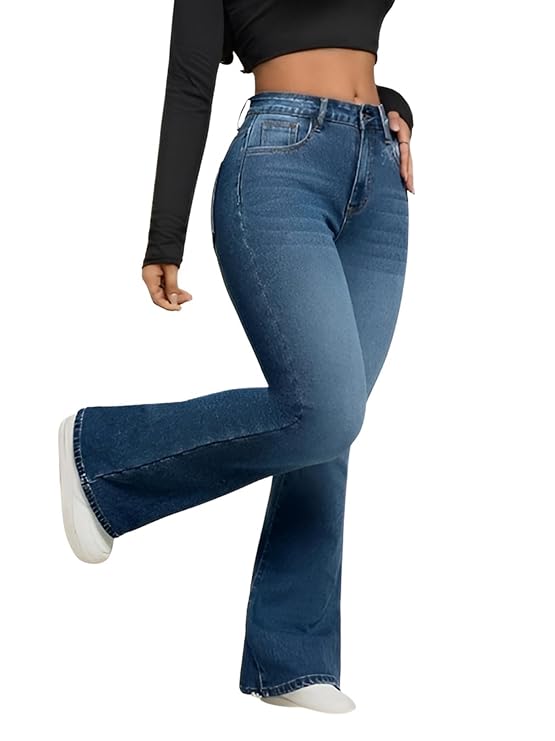
Ben Martin Women High waist Casual Wear Denim Jeans
Original price was: ₹2,999.00.₹774.00Current price is: ₹774.00.
 Ben Martin Jeans for Women || Bootcut Jeans for Women || Wide Leg Jeans Women || Bell Bottom Jeans for Women
Description
Few garments in the world of fashion can claim the same timeless appeal as denim jeans. From their humble beginnings as durable workwear to their current status as global style icons, these trousers have stood the test of time, adapting to every generation while maintaining their essence. Today, denim jeans are more than just clothing—they are a symbol of self-expression, practicality, and everyday style.
The history of denim jeans dates back to the late 19th century, when they were originally designed for miners and laborers who needed sturdy clothing capable of withstanding intense physical work. The rugged fabric, woven with a distinctive twill pattern, proved strong and reliable. Over time, the functional trousers transitioned into mainstream fashion, and soon, denim jeans became synonymous with both durability and style.
One of the defining qualities of denim jeans is their versatility. Few items of clothing can adapt so seamlessly to different occasions. Worn with a T-shirt, they create a laid-back casual look; paired with a crisp shirt or blazer, they transform into smart-casual attire suitable for dinners, dates, or even semi-formal events. This adaptability explains why denim jeans remain a must-have in every wardrobe, regardless of age, gender, or lifestyle.
In terms of design, denim jeans have evolved far beyond their original form. Today, countless fits cater to different body shapes and style preferences. Skinny jeans offer a modern, streamlined silhouette, while straight-leg jeans provide a classic balance between comfort and structure. Bootcut styles bring retro charm, and relaxed or baggy fits cater to those who prioritize comfort and a streetwear-inspired aesthetic. This range ensures that denim jeans can reflect both personality and lifestyle.
Another defining feature of denim jeans lies in their washes and finishes. Dark indigo provides a sleek, sophisticated look that works well in professional or evening settings. Light blue washes exude a relaxed, casual vibe, perfect for weekends and travel. Distressed, ripped, or faded denim jeans add edge and attitude, while clean, raw denim appeals to purists who enjoy watching their jeans naturally age with wear. Each variation tells a different story, allowing wearers to express individuality through a single garment.
The universal popularity of denim jeans also comes from their durability. Unlike many fashion trends that prioritize aesthetics over function, jeans balance both. A good pair can last for years, developing a unique patina that reflects the wearer’s lifestyle. This quality explains why denim jeans often hold sentimental value—people remember specific pairs that accompanied them through important life moments, from first jobs to memorable adventures.
Comfort is another major reason for the success of denim jeans. While traditional raw denim may feel stiff initially, modern innovations have introduced stretch fabrics that adapt to movement, making them ideal for all-day wear. Blended materials combine the durability of cotton with the flexibility of elastane, creating jeans that not only look great but also feel effortless. This focus on comfort ensures denim jeans remain practical in a fast-paced modern lifestyle.
Fashion designers have also elevated denim jeans to luxury status. High-end labels create premium versions with unique cuts, embroidery, and hand-finished detailing, transforming everyday workwear into runway-ready attire. Simultaneously, budget-friendly brands continue to produce accessible, stylish options, proving that denim jeans cater to all price points. This democratic nature is part of their charm—everyone, regardless of income, can enjoy the power of a well-made pair.
Denim jeans also play a major role in cultural identity. In the 1950s, they became symbols of rebellion, embraced by youth and immortalized by icons like James Dean and Marlon Brando. In the 1970s, they represented counterculture movements, while the 1990s saw them dominate streetwear and grunge aesthetics. Each era has redefined denim jeans, yet their core appeal has remained unchanged: effortless cool and authenticity.
Sustainability has also become a critical focus in modern denim jeans production. Traditional manufacturing processes consume large amounts of water and chemicals, but many brands now embrace eco-friendly practices. Techniques like laser distressing, ozone washing, and organic cotton cultivation reduce environmental impact, ensuring that the iconic garment can continue to thrive in a responsible way. Eco-conscious consumers appreciate knowing that their denim jeans not only look good but also contribute to a sustainable future.
Practicality extends to styling. Denim jeans can be dressed up or down with minimal effort. Pair them with sneakers and a hoodie for a relaxed weekend look, or switch to boots and a button-up shirt for a polished evening style. Their neutrality makes them an easy base for any outfit, which is why fashion stylists often recommend investing in multiple pairs in different washes and fits. This flexibility guarantees that denim jeans never feel redundant.
Another factor is the global accessibility of denim jeans. They are sold everywhere—from luxury boutiques in fashion capitals to local markets in small towns—proving their universal relevance. Few garments bridge geographic and cultural divides so effectively. In fact, denim jeans have become a common fashion language, recognizable and embraced across continents.
The emotional connection people have with denim jeans also sets them apart. Unlike disposable fast fashion, jeans often become personal treasures. Many wearers develop a bond with their favorite pair, appreciating how the fabric molds to their body and lifestyle. The more they are worn, the more character they acquire, turning denim jeans into living records of personal history.
From a technical perspective, the construction of denim jeans highlights craftsmanship. Rivets reinforce stress points, heavy-duty stitching ensures longevity, and carefully designed pockets add both function and style. These details, though often overlooked, contribute to why denim jeans remain so reliable over time.
Looking to the future, denim jeans will likely continue evolving with technology. Smart fabrics may include temperature regulation, stain resistance, or even built-in health sensors. Yet, no matter how advanced they become, the essence of denim jeans—their balance of durability, comfort, and timelessness—will always remain at the core.
Ultimately, denim jeans are more than clothing; they are cultural icons, practical essentials, and personal companions. Their enduring success lies in their ability to adapt to changing times while staying true to their roots. Whether worn casually or dressed up, for work or leisure, they embody a universal appeal that transcends borders, ages, and styles.
For anyone building a wardrobe, denim jeans are not just recommended—they are indispensable. They represent fashion at its best: functional, versatile, and timeless. In a world where trends come and go, denim jeans stand tall as proof that true style never fades.
Few fashion items command such universal admiration as denim jeans. They are not bound by culture, geography, or even generation—they are worn by everyone, everywhere, and in countless styles. From street corners to fashion runways, denim jeans have cemented their place as one of the most versatile and enduring garments in history.
One of the most remarkable aspects of denim jeans is their ability to evolve with trends without losing their identity. In the 1960s, they symbolized youth rebellion; in the 1970s, they carried the spirit of counterculture; in the 1980s, they became a fashion statement with bold washes and high waists; and in the 2000s, low-rise and embellished versions dominated pop culture. Today, denim jeans continue to adapt, appearing in wide-leg, skinny, ripped, and even eco-friendly variations. Through it all, they remain unmistakably denim.
The appeal of denim jeans lies in their balance of toughness and style. Originally designed for hard labor, their sturdy construction offered workers the durability they needed. Over time, however, society discovered that the same rugged quality could also serve as an expression of individuality. This dual nature—practical yet stylish—has made denim jeans indispensable in everyday life.
Fit continues to be one of the most defining factors in choosing denim jeans. Skinny fits hug the body for a sleek, contemporary appearance. Straight-leg jeans provide a timeless cut that flatters most body types. Bootcut designs evoke retro vibes and pair well with heeled footwear. Relaxed and baggy styles dominate urban fashion and streetwear. High-rise options elongate the legs, while low-rise versions add a bold edge. This incredible variety ensures that denim jeans can align with every personality and preference.
Equally important are the washes and finishes. Raw denim appeals to purists who enjoy breaking in their jeans naturally, watching them fade uniquely with wear. Dark-wash denim jeans are perfect for more polished, semi-formal occasions, while light-wash pairs radiate a carefree, laid-back vibe. Stonewashed, acid-washed, and distressed styles inject boldness, adding character and edge. Every wash tells a different story, allowing wearers to showcase mood and identity through their choice of jeans.
Cultural influence also plays a significant role. Denim jeans have been embraced by celebrities, musicians, and athletes across decades. Think of how rock stars in the 1970s paired flared jeans with leather jackets, or how 1990s hip-hop culture celebrated oversized baggy styles. Today, influencers and fashion icons continue to reinvent the way denim jeans are styled, from minimalist Scandinavian aesthetics to bold, maximalist streetwear looks. This constant reinvention keeps jeans culturally relevant.
Comfort has been enhanced through fabric innovations. Traditional denim was stiff and heavy, but modern denim jeans often incorporate elastane or Lycra, providing stretch and flexibility. This ensures wearers can enjoy freedom of movement while still maintaining structure. Blended fabrics also resist wrinkles and improve durability, catering to the demands of modern lifestyles. For those who value luxury, premium denim blends offer a softer, smoother feel without compromising strength.
Durability remains one of the strongest reasons people invest in denim jeans. Unlike delicate trousers that lose shape quickly, jeans are built to last. Many develop a personalized look over time, with natural fading patterns reflecting the wearer’s lifestyle. This quality transforms denim jeans into more than just clothing—they become personal stories woven into fabric.
Styling denim jeans is perhaps their greatest strength. A pair of black skinny jeans with a leather jacket exudes edginess, while classic blue jeans with a white shirt deliver timeless charm. Denim-on-denim, once controversial, has returned as a chic fashion statement when styled correctly. In summer, jeans pair effortlessly with casual tees and sneakers, while in winter, they balance perfectly with coats and boots. This adaptability ensures denim jeans remain indispensable across seasons.
Sustainability is shaping the future of denim jeans. Traditional manufacturing consumes enormous resources, but many brands now adopt eco-conscious practices such as water-saving dyeing techniques, organic cotton, and recycled fabrics. These innovations make it possible to enjoy the timeless appeal of jeans while reducing environmental impact. Eco-friendly denim jeans are increasingly popular among consumers who prioritize style and sustainability together.
The affordability and accessibility of denim jeans also contribute to their universal appeal. They are produced at all price points—from high-street brands to luxury labels—ensuring that everyone can find a pair suited to their budget. High-end jeans often showcase artisanal craftsmanship, while affordable pairs provide everyday practicality. This democratization of style allows denim jeans to be owned and loved by people from all walks of life.
Beyond practicality, denim jeans also carry symbolic meaning. They represent freedom, individuality, and resilience. Their journey from workwear to fashion icon mirrors the changing dynamics of society itself—becoming a garment that belongs to everyone, regardless of class or background. This symbolism ensures that denim jeans remain deeply ingrained in fashion culture.
From a technical perspective, the craftsmanship behind denim jeans deserves recognition. Rivets placed at stress points prevent tearing, double stitching enhances durability, and carefully designed pockets balance style with utility. High-quality zippers and buttons add finishing touches, ensuring that functionality complements appearance. These thoughtful details explain why a well-made pair of denim jeans often becomes a long-term wardrobe investment.
Travelers often prefer denim jeans for their practicality. They are easy to style, resistant to dirt, and capable of handling various climates when layered appropriately. A single pair can be dressed up for a dinner or worn casually for sightseeing, reducing the need to pack multiple trousers. This versatility makes denim jeans a travel essential.
Generationally, denim jeans hold a unique position. Teenagers view them as trendy and expressive, young professionals value their smart-casual flexibility, and older generations appreciate their reliability and comfort. Unlike fleeting fashion items that appeal to narrow age groups, jeans successfully span decades of wearers, proving their ageless relevance.
Looking toward the future, denim jeans are expected to integrate further innovation. Smart textiles may offer temperature regulation, stain resistance, or even embedded technology. Yet, no matter how advanced they become, their core identity—sturdy twill fabric, timeless design, and universal wearability—will remain intact.
In conclusion, denim jeans are more than garments. They are cultural icons, personal companions, and timeless essentials. With their unmatched adaptability, durability, and symbolism, they will continue to dominate wardrobes worldwide. For anyone seeking practicality and style in a single garment, denim jeans stand as the ultimate choice—proving that true classics never fade.
Denim jeans are one of the most iconic staples of fashion, effortlessly blending durability with timeless appeal. From rugged workwear origins to becoming a global fashion statement, these versatile bottoms have secured a permanent place in wardrobes across cultures and generations. The fabric itself, made of sturdy cotton twill, provides both resilience and comfort, allowing them to adapt to a wide range of lifestyles and settings. Whether worn casually with sneakers and a simple tee, or styled with a tailored jacket for a polished appearance, denim jeans continue to transcend boundaries of class, culture, and trend.
The charm of denim jeans lies in their unique combination of function and fashion. Initially designed for miners, cowboys, and laborers, they were created to withstand tough environments. Over time, they evolved into symbols of rebellion, freedom, and youthful spirit. Hollywood stars in the mid-20th century showcased their charm on screen, sparking a cultural revolution. Since then, they’ve been celebrated not only for their durability but also for their ability to reflect personal identity. The fade patterns, the creases, and even the natural wear become part of the story of the person who wears them, making each pair distinctive.
Designers have expanded the possibilities of denim jeans by experimenting with cuts, washes, and finishes. Straight-leg versions offer a clean, classic look that never goes out of style. Slim and skinny cuts hug the body, enhancing modern aesthetics, while relaxed and baggy fits cater to comfort and streetwear enthusiasts. High-rise, mid-rise, or low-rise options ensure that every body type can find a flattering fit. Distressed detailing, whiskering, raw finishes, and patchwork allow for individuality and trend alignment, while minimal, dark indigo pieces cater to those who prefer understated elegance.
The adaptability of denim jeans is unmatched. They can be styled in countless ways—paired with crisp shirts for semi-formal occasions, graphic tees for casual weekends, or hoodies for laid-back comfort. In colder seasons, they layer beautifully with coats and boots, while in warmer months, lighter washes give a breezy, casual vibe. Denim jeans provide a foundation for countless style expressions, proving their irreplaceable role in everyday fashion.
Another aspect that enhances their reputation is longevity. A well-made pair of denim jeans can last for years, even decades, when cared for properly. They age gracefully, often looking better as time goes by. The fading, whiskering, and subtle fraying are not flaws but badges of authenticity. Unlike fast-fashion items that lose relevance quickly, they remain relevant across decades, embodying sustainability and slow fashion values. Many brands now also incorporate organic cotton, recycled fibers, and water-saving dyeing processes into production, making denim jeans more eco-friendly than ever before.
Culturally, denim jeans symbolize universality. They are worn by people of all ages, professions, and walks of life. From farmers in rural regions to celebrities on red carpets, their presence bridges gaps between social groups. They represent a democratic form of clothing—accessible, adaptable, and expressive. Streetwear movements, high fashion runways, and luxury labels all continue to reinterpret denim jeans, further solidifying their global influence.
Comfort is another factor behind their enduring popularity. The stretch blends used in modern fabrics allow denim jeans to move with the body while maintaining shape. Advances in weaving technology have ensured softer textures without compromising strength. Breathability, flexibility, and fit all contribute to the ease of wearing them for long hours, whether at work, leisure, or travel. For many, denim jeans become second skin—a go-to garment when nothing else seems right.
Beyond fashion, denim jeans also carry emotional connections. They are often tied to milestones—first concerts, road trips, college years, or everyday adventures. A pair that fits perfectly or carries memories becomes more than just clothing; it turns into a keepsake. Many people hold on to their favorite denim jeans even after they no longer wear them, as symbols of moments and stories etched into the fabric.
From a commercial perspective, denim jeans are a global industry valued in billions. Every major clothing brand offers their own interpretation, ensuring endless choices. Yet, despite the variations, the essence of what makes denim jeans special remains the same: durability, versatility, and universal appeal. Their global demand highlights not just a trend, but an enduring relationship between humans and this extraordinary garment.
The design elements, such as rivets, zippers, buttons, stitching, and pocket styles, also play a crucial role in their identity. Classic five-pocket designs remain beloved, while creative embellishments, embroidery, and decorative hardware add personality. Branding details, like leather patches or signature stitching, make denim jeans instantly recognizable. Each small element contributes to a garment that is both practical and aesthetic.
Innovation continues to reshape denim jeans. Stretch-denim blends provide better mobility, while performance versions integrate moisture-wicking or wrinkle-resistant properties. Custom tailoring services now allow people to design their perfect fit, from inseam length to pocket placement. Technology has also made it possible to laser-print patterns or create eco-friendly stonewashed finishes without excessive water usage. These advancements keep denim jeans relevant for newer generations who seek both comfort and sustainability.
Despite countless fashion waves, denim jeans remain unaffected by fleeting trends. Their adaptability ensures they always reinvent themselves while staying authentic. Whether in monochrome palettes, bold dye treatments, or faded vintage looks, they continue to evolve with the times. This balance between tradition and innovation makes them one of the rare clothing pieces that never fade from relevance.
Denim jeans are also tied to individuality. Unlike many garments that look identical from person to person, denim jeans mold to the wearer. Over time, the creases around knees, the fade lines near pockets, and the softened edges reflect personal movement and routine. This creates a garment that feels truly unique, one that carries the personality of the person who lives in them.
In professional settings, certain styles of denim jeans are now acceptable, particularly dark, tailored versions. When paired with blazers, loafers, or smart shoes, they blend seamlessly into modern workplaces that value both style and comfort. Their presence in office wardrobes shows how denim jeans have transcended casual spaces to find acceptance in more formal environments.
Ultimately, the story of denim jeans is the story of adaptability, resilience, and timelessness. They started as humble workwear, transformed into cultural symbols, and have remained an essential part of everyday life. Whether you choose a vintage pair with character or a freshly tailored one with a contemporary cut, denim jeans deliver more than just a garment—they offer comfort, self-expression, and a piece of history that continues to evolve.


Reviews
There are no reviews yet.